Seasonal growing tips that turn timing into a repeatable habit
This page organises practical guidance by season: sowing windows, succession planting, greenhouse routines, and storage notes. Use it as a weekly reference alongside the dmexadsnr course modules.
Temperature and day-length cues.
Staggered sowing, steady harvest.
Curing and conditions that last.

Microclimates, frost risk, and soil temperature cues.
Prevention, monitoring, thresholds.
Keep families moving each year.
How seasonality works in a real garden
A useful seasonal plan is less about strict dates and more about cues. Soil temperature, day length, and moisture patterns tell you what is likely to succeed now. The course uses a simple decision framework: check the cue, choose the action, then record it. Over time you build your own local baseline—your frost pocket, your windy corner, the bed that dries first, and the greenhouse shelf that runs hotter than you think.
We also teach how to separate crop families so rotation remains practical. Brassicas, alliums, legumes, and solanaceae have different nutrient demands and pest pressures. A rotation plan reduces disease carry-over and keeps fertility management predictable. Finally, we treat microclimates as a tool: fleece and cloches extend early-season windows; mulch stabilises moisture; greenhouse ventilation prevents humidity spikes that often trigger mildew or blight pressure.
Use cues, not calendar anxiety
Instead of chasing a perfect date, watch for soil that crumbles rather than smears, seedlings that have true leaves, and nights that stop dipping sharply. Those cues indicate when a bed is workable and when plants can handle outdoor swings.
- Track soil temperature for direct sowing decisions.
- Adjust by microclimate: sunny wall versus open bed.
- Use simple records so next year is easier.
Plan succession like a supply chain
Succession planting is a scheduling skill: sow small batches at intervals so you do not end up with one overwhelming harvest and then nothing. The approach works for salads, beans, carrots, and herbs.
- Match sowing frequency to your eating habits.
- Use spacing and thinning to avoid late-season crowding.
- Keep one “gap-filler” crop ready for empty beds.
Season-by-season checklist
These checklists are written to fit real weeks. Each season includes a few high-leverage tasks and a small number of “do not” reminders. If you already follow a course plan, use the list as a quick audit. If you are new, pick one or two actions and repeat them; consistency is the point.
Preparation, propagation, and a calm hardening-off routine
Spring work starts with beds and trays. Aim for structure: avoid working soil when it is wet enough to smear. In propagation, keep moisture even and light strong to prevent lanky seedlings. Hardening off is treated like a schedule—short exposures to wind and cooler air that increase each day. For early outdoor sowings, use cloches or fleece as insurance, but remove coverings to prevent overheating on bright days.
- Do a quick “soil squeeze test” before bed prep to avoid compaction.
- Start a sowing log: crop, variety, date, and notes on germination.
- Keep airflow moving to reduce damping-off risk in trays.

Rhythm and observation: watering, mulch, and IPM checks
Summer success is mostly routine. Deep watering and mulch maintenance stabilise growth and reduce stress that attracts pests. In the greenhouse, ventilation timing matters; open early, then manage temperature swings instead of reacting late. Apply IPM basics: look under leaves, check growing tips, and notice changes in leaf colour or growth rate. Intervene only when thresholds make sense, and prioritise prevention—healthy plants are less inviting targets.
- Water less often but more deeply to strengthen root zones.
- Ventilate greenhouses early to reduce humidity spikes.
- Keep succession sowings small and steady for continuous harvest.
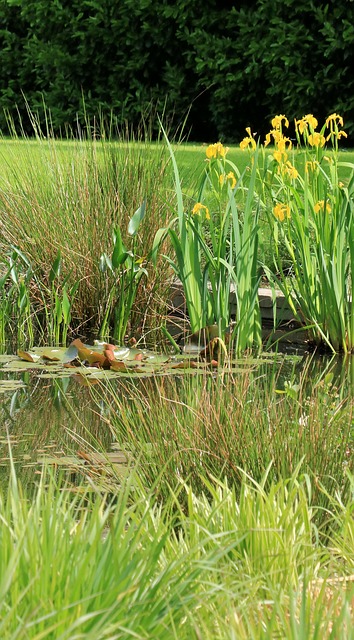
Harvest timing, curing, and storage conditions that actually work
Autumn is where a lot of effort is won or lost. Harvest timing affects flavour and storage life. Curing matters for onions, garlic, and squash; skipping it often leads to soft bulbs, mould, or rot. This is also a good season for bed clean-up and compost additions, because you can work methodically rather than racing spring planting deadlines. If you grow brassicas, keep an eye on late-season pest pressure and protect crops as nights cool.
- Cure storage crops in dry airflow before moving them to cool storage.
- Remove diseased plant material to reduce overwintering inoculum.
- Note which beds performed best to inform next year’s rotation plan.
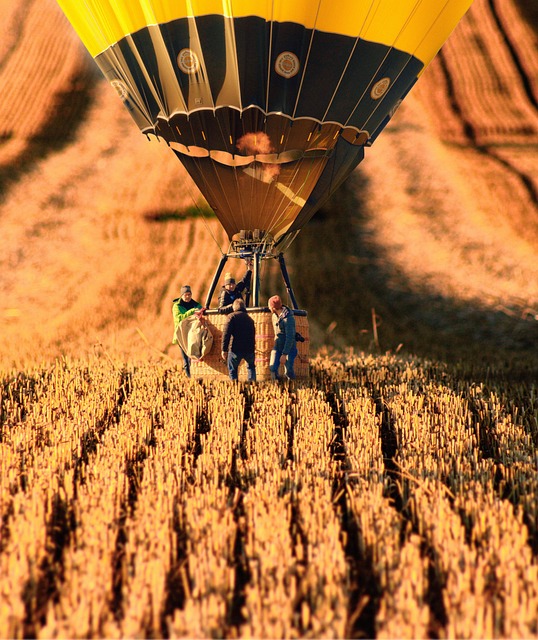
Planning, tool care, and small improvements that compound
Winter is the quiet season that makes the busy seasons easier. Update your sowing calendar based on notes from the year, refine bed allocation, and order seed with rotation in mind. If you use a greenhouse, inspect seals, staging, and ventilation points; small fixes reduce spring headaches. Winter is also a good time to build compost capacity and plan how you will manage organic matter—what comes in, where it sits, and how it is turned.
- Review your sowing log and adjust windows for your microclimate.
- Clean and sharpen tools so bed prep is smoother in spring.
- Plan compost inputs and storage so you are not improvising later.

Examples you can apply immediately
Seasonal tips work best when they are concrete. In the course, we show how to translate a general principle into a specific action: the seed-starting workflow that prevents leggy growth, the watering routine that avoids oscillating between drought stress and waterlogging, and the greenhouse ventilation habit that reduces disease pressure.
These examples also help learners understand constraints. A tomato plant can be trained, but only if airflow is maintained; a carrot bed can be weeded, but only if watering is consistent enough to prevent crusting. The result is not “perfect gardening.” It is a workable system you can repeat.
Greenhouse: ventilation before heat builds
Open vents early, then manage temperature with small adjustments. This reduces condensation cycles and keeps humidity steadier, which supports healthier foliage. It is simple, but it is one of the most overlooked routines.
Beds: organic matter as a long-term input
Compost and mulch are not a quick “feed.” They are structure and moisture tools. A thin, consistent layer applied at the right time often outperforms sporadic heavy applications.
Recommended reading order
If you are building your first plan, start with the course program overview, then learn the techniques that make routines reliable. Use this page as the bridge between the two—seasonal cues tell you when to apply each technique.
These tips are educational. Crop performance depends on climate, soil conditions, pest pressure, and experience. The goal is better decisions and fewer avoidable mistakes.
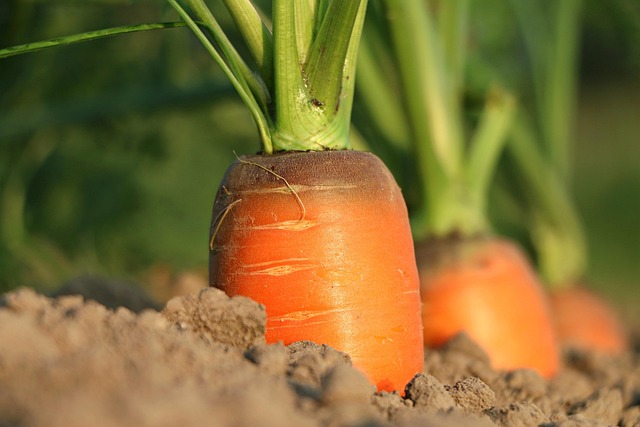
Images on this page illustrate typical garden activities: propagation, greenhouse management, bed preparation, and harvest handling.
Registration
Register your interest and we will respond with the next available course intake details and a short outline of what to expect. We ask for only your name and email address. If you want a more tailored reply, you can mention your growing space and whether you use a greenhouse in a follow-up email.
- We reply within 1 business day.
- You receive course timing and a brief curriculum outline.
- We do not sell your data.
We collect only the data needed to respond: your name and email. Cookie-based analytics and marketing are optional and controlled in the cookie preferences panel.
Disclaimer
This website provides educational information only. Growing results may vary depending on climate, conditions, and experience. Always follow local regulations and product instructions when using amendments, fertilisers, or pest controls, and adapt techniques to your site conditions.
Any examples and seasonal suggestions are provided for learning purposes and do not guarantee specific outcomes. If you are unsure about a plant disease, pest identification, or chemical safety, consult a qualified local professional.