Learn the seasonal system for reliable vegetable harvests
dmexadsnr teaches practical bed preparation, seedling care, and climate-aware scheduling so your garden plan makes sense from early spring sowing through autumn storage crops.
Sowing windows and succession timing.
Compost, mulch, and pH basics.
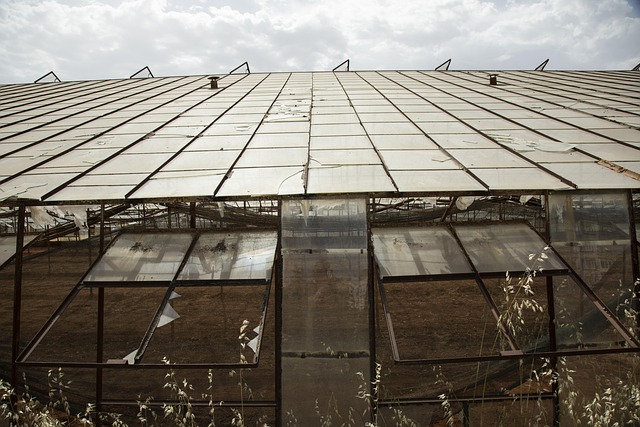
Ventilation, watering, and training.
Clear modules, printable checklists, and seasonal crop notes.
Built for busy weeks in the garden.
Timing beats guessing every time.
Course Program
Vegetable growing becomes simpler when the plan follows the calendar. Our program is organised as a seasonal sequence: preparation, propagation, planting-out, maintenance, and harvest/storage. Each module combines short lessons with “do this next” checklists so you can move from theory to action on the same day. We cover bed design (including crop rotation), soil structure and organic matter, seed-starting workflows, watering strategy, and light-touch pest management using integrated pest management (IPM) principles. Greenhouse work is treated as its own microclimate: ventilation routines, humidity control, and training crops like tomatoes and cucumbers without turning the space into a jungle. The goal is steady competence—knowing what to do this week, what can wait, and what not to do at all.
A full growing year, taught as a repeatable system
Start with planning and bed setup, then move into propagation, transplanting, and maintenance. The final units focus on harvesting, curing, and storage so the season finishes cleanly—no wasted crops, no last-minute panic.
Beds, soil, and compost
Learn how to improve structure with organic matter, keep compaction down, and use mulch to stabilise moisture. We also cover basic pH implications and why feeding soil biology is unglamorous but decisive.
Seedlings and hardening off
A methodical propagation workflow: sowing depth, bottom watering, light management, and hardening off so transplants handle outdoor swings without stalling.
Pest and disease basics
We use IPM fundamentals: prevention first, observation second, intervention only when needed. Expect practical routines, not miracle sprays.
Watering strategy
Understand deep watering, mulch effects, and how to avoid oscillating between drought stress and waterlogging. You will build a routine you can maintain.
Gardening Techniques
Good techniques reduce drama. We teach methods that hold up when weather swings, time is short, and the garden still needs attention. You will practice crop rotation planning, spacing that actually matches plant maturity, and thinning that prevents later bottlenecks. We cover mulch as a tool for moisture and weed suppression, and compost as a way to build long-term fertility rather than chasing quick fixes. Greenhouse techniques focus on airflow and consistent watering; outdoor techniques focus on managing variability. Throughout, we use simple observation—leaf colour, growth rate, soil feel—to make decisions instead of guessing.
-
01
Prepare beds with structure in mind
Start by reducing compaction and improving aggregation. Add mature compost, then protect moisture with a mulch layer. The lesson includes a simple “spade test” to check drainage and crumb structure before planting.
-
02
Propagate seedlings with a repeatable workflow
We cover sowing depth, consistent moisture, and light management so seedlings do not stretch. Hardening off is taught as a schedule, not a vague suggestion—small temperature and wind exposures that build resilience.
-
03
Maintain with simple routines
A few weekly routines beat sporadic big efforts: deep watering, quick weed passes, and topping up mulch. For greenhouse crops, you will learn ventilation timing to reduce humidity spikes that often trigger disease pressure.
-
04
Harvest and storage without waste
Harvest timing, curing, and storage conditions matter as much as growth. We cover basic post-harvest handling—especially for onions, garlic, and squash—so the season ends with usable food, not compost.
Seasonal Growing Tips
Seasonality is the hidden curriculum. Many gardens fail to reach their potential because the actions are correct but mistimed—sown too early, planted out too late, or harvested after quality drops. We teach how to work with temperature, day length, and moisture rather than fighting them. You will learn how to create a simple sowing calendar, how to plan succession plantings, and how to adjust when spring runs cold or summer heat arrives early. The tips are written to be used at the bench or in the greenhouse: compact checklists, quick decision rules, and reminders for the week ahead.
Spring: prepare, sow, and harden off
Focus on bed preparation and early sowing windows. Keep propagation tidy: consistent moisture, good light, and airflow. Hardening off is treated like a schedule so transplants do not stall when they move outside.
- Check soil moisture before watering—avoid cold, saturated trays.
- Start a simple sowing log so timing becomes repeatable next year.
- Plan your first succession sowings before the first seedlings are even planted out.
Summer to autumn: maintain, harvest, and store
Summer management is mostly rhythm: deep watering, mulch maintenance, and quick checks for pest pressure. As autumn arrives, harvest timing and storage conditions become the priority—especially for curing crops.
- Water less often but more deeply to encourage strong root zones.
- Ventilate greenhouses early in the day to manage humidity peaks.
- Cure onions and squash properly so they store well through winter.
About dmexadsnr
dmexadsnr Education s.r.o. was created to make vegetable growing less mysterious and more consistent. A lot of garden advice is either too vague to apply or too specific to one climate. Our approach is to teach principles—timing, soil structure, and observation—then show how to adapt them to your own beds and local weather. The course materials are written in plain language, with enough detail to prevent avoidable mistakes like overwatering seedlings, compacting soil during bed prep, or planting out before conditions are stable.
The tagline is simple because the aim is simple: practical vegetable growing courses for confident, seasonal harvests. The work is careful and methodical, built around what happens in gardens week by week, not around marketing promises.
What you can expect
- Straightforward lesson structure with defined outcomes per module.
- Technique guidance that prioritises repeatability over novelty.
- Seasonal tips designed to work across changing weather patterns.
- A clear privacy-first registration form: name and email only.
The course teaches methods and decision-making. Harvest size and timing will always depend on climate, soil conditions, pests, and experience.
Nature-inspired, professional style
You will see the same design language across the site: calm surfaces, clear typography, and content that reads like course notes. The aim is to make each page easy to scan on mobile while still feeling like a premium learning environment on desktop.
FAQ
These answers cover the practical questions learners ask before registering. If you need something specific, use the registration form and include a short note—what you grow, the space you have, and whether you use a greenhouse.
Is this course suitable for small gardens and raised beds?
Do you teach organic methods?
Will the lessons match my local climate?
What information do you collect when I register?
Do you guarantee harvest results?
Registration
Register your interest and we will respond with the next available course intake details and a short outline of what to expect. We ask for only your name and email address. If you want a more tailored reply, add a note about your growing space and whether you use a greenhouse.
- We reply within 1 business day.
- You receive course timing and a brief curriculum outline.
- We do not sell your data.
We collect only the data needed to respond: your name and email. Cookie-based analytics and marketing are optional and controlled in the cookie preferences panel.
Disclaimer
This website provides educational information only. Growing results may vary depending on climate, conditions, and experience. Always follow local regulations and product instructions when using amendments, fertilisers, or pest controls, and adapt techniques to your site conditions.
Any examples and seasonal suggestions are provided for learning purposes and do not guarantee specific outcomes. If you are unsure about a plant disease, pest identification, or chemical safety, consult a qualified local professional.