A seasonal course program built for clear decisions in the garden
The dmexadsnr curriculum follows the growing year from bed preparation through storage crops. Each module mixes short lessons with checklists so you can apply the material the same week you read it.
Plan, propagate, plant, maintain, harvest, store.
Simple “do this next” task lists.
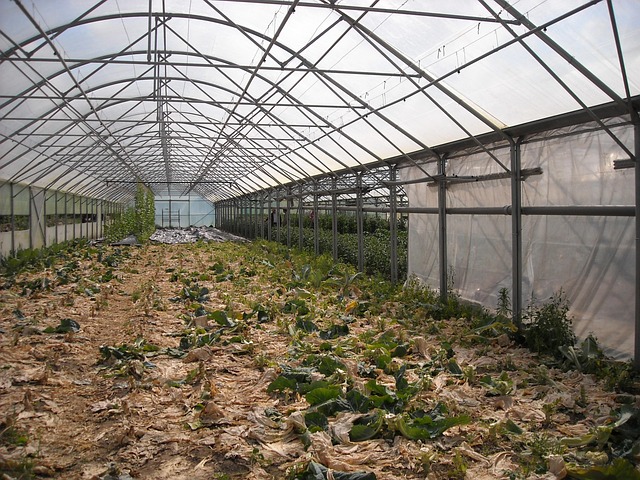
Greenhouse and outdoor routines.
Learn the why, then apply the how.
Each section includes a short “field note” that explains timing: soil temperature, day length, and typical weather risk. If your spring runs cold or your summer is unusually hot, you still have a decision path—adjust sowing windows, change succession spacing, or shift crops into a protected microclimate.
Course Program Modules
The program is designed around what gardeners actually do in sequence: you prepare beds, raise seedlings, plant out, maintain growth, and then handle harvest and storage. That sounds obvious, but most course outlines skip the awkward joins—how to harden off without stalling growth, how to build a watering routine that fits a normal week, or how to interpret early pest pressure without overreacting. Our module order reduces those gaps. You will learn crop rotation logic, soil structure basics, compost and mulch application, and integrated pest management (IPM) routines based on observation and thresholds. Greenhouse work is treated as a microclimate with its own ventilation and humidity habits, not a “bonus room” that magically fixes timing.
A repeatable year plan, not disconnected tips
You will build a simple sowing calendar, set up rotation groups, and learn how to create succession plantings so beds stay productive without becoming chaotic. The focus is method: inputs, timing, and observation—then course-correcting when conditions change.
Bed preparation and soil structure
Learn compaction checks, drainage cues, and how to build stable structure with organic matter. We cover mulch thickness, compost maturity, and basic pH implications without turning it into chemistry class.
Propagation and hardening off
A step-by-step propagation workflow: sowing depth, bottom watering, airflow, and light management. Hardening off is taught with a schedule so transplants cope with wind and temperature swings.
Greenhouse routines and training
Treat the greenhouse as a controlled microclimate. You will learn ventilation timing, humidity cues, and simple training routines for tomatoes and cucumbers so airflow stays clean and watering stays consistent.
IPM basics: pests and disease pressure
Learn integrated pest management (IPM) fundamentals: prevention, monitoring, thresholds, and targeted interventions. The emphasis is on routines that reduce pressure before it becomes a crisis.
Harvest, curing, and storage
Finish the season properly. We cover harvest windows, curing basics for onions/garlic/squash, and storage conditions so the garden output stays usable rather than deteriorating on the counter.
What you will be able to do after the program
The outcome is not “perfect plants.” The outcome is control: knowing which actions matter this week and which are noise. You will be able to plan a bed layout with a rotation group logic, build a simple succession schedule, and keep a propagation workflow that produces sturdy transplants. You will also learn practical cues—soil feel, leaf colour changes, growth rate, and greenhouse humidity patterns—so decisions come from observation rather than guesswork. When pest pressure appears, the program teaches how to respond in IPM terms: identify, monitor, decide on a threshold, then act in a way that avoids unnecessary collateral damage.
If you have limited time, the course helps you prioritise. A 20-minute routine done weekly beats a three-hour rescue effort done monthly. That is the unglamorous advantage that produces steadier harvests across seasons.
Skills checklist
- Build a sowing calendar using frost risk and soil temperature.
- Run a seedling workflow that prevents stretching and damping-off pressure.
- Use mulch and compost deliberately to stabilise moisture and fertility.
- Apply IPM fundamentals: monitoring, thresholds, and targeted intervention.
- Harvest and cure storage crops so they last through winter.
The course teaches methods and decision-making. Growing results depend on climate, soil conditions, pests, and experience.
Registration
Register your interest and we will respond with the next available course intake details and a short outline of what to expect. We ask for only your name and email address so the process stays simple and privacy-first.
- We reply within 1 business day.
- You receive course timing and a brief curriculum outline.
- We do not sell your data.
We collect only the data needed to respond: your name and email. Cookie-based analytics and marketing are optional and controlled in the cookie preferences panel.